



TrkB
TrkB (tropomyosin receptor kinase B), encoded by NTRK2, is a neurotrophic tyrosine kinase receptor that mediates the cellular actions of brain-derived neurotrophic factor (BDNF) and contributes to neuronal differentiation, neuroplasticity, and homeostasis. Mechanistically, ligand-induced activation of full-length TrkB (TrkB.FL) triggers receptor autophosphorylation and engages intracellular signaling pathways including PI3K, MAPK/ERK, and PLCγ, thereby supporting neurotrophic responses and synaptic function. Alternative splicing of NTRK2 generates distinct receptor isoforms, including TrkB.FL and truncated variants such as TrkB.T1, TrkB.T2, and TrkB-T-ShC, which lack the tyrosine kinase domain and therefore differ fundamentally in signaling capacity. Compared with TrkB.FL, TrkB.T1 is the major truncated isoform in the adult brain and can negatively regulate full-length receptor signaling through dominant-inhibitory mechanisms while also exhibiting independent biological activities. Altered TrkB isoform balance has been associated with neurodegeneration, ischemic injury, amyotrophic lateral sclerosis, spinal muscular atrophy, psychiatric disorders, and cognitive dysfunction, highlighting the importance of isoform-specific regulation in disease biology. In experimental systems, modulation of BDNF-TrkB signaling and manipulation of TrkB isoform expression are widely used to investigate neuronal survival, differentiation, synaptic plasticity, and disease mechanisms, making TrkB a valuable target for mechanistic and translational neuroscience research[1][2][3][4][5][6][7].
Verweise:
- [1]. Duarte-Ruiz M, et al. Regulation of NTRK2 alternative splicing by PRPF40B controls neural differentiation and synaptic plasticity. Cell Death Dis. 2025 Dec 8;17(1):73. [Content Brief]
- [2]. Li Y, et al. Tropomyosin receptor kinase B (TrkB) signalling: targeted therapy in neurogenic tumours. J Pathol Clin Res. 2023 Mar;9(2):89-99. [Content Brief]
- [3]. TrkB gene information from NCBI.
- [4]. Rabezanahary H, et al. Live virus neutralizing antibodies against pre and post Omicron strains in food and retail workers in Québec, Canada. Heliyon. 2024 May 21;10(10):e31026. [Content Brief]
- [5]. Tessarollo L, et al. TrkB Truncated Isoform Receptors as Transducers and Determinants of BDNF Functions. Front Neurosci. 2022 Mar 7;16:847572. [Content Brief]
- [6]. Chang C, et al. Recent advances in deciphering hippocampus complexity using single-cell transcriptomics. Neurobiol Dis. 2023 Apr;179:106062. [Content Brief]
- [7]. Vidaurre OG, et al. Imbalance of neurotrophin receptor isoforms TrkB-FL/TrkB-T1 induces neuronal death in excitotoxicity. Cell Death Dis. 2012 Jan 19;3(1):e256. [Content Brief]
-
TrkB Verwandte Produkte (55)
Verwandte Produkte (55)

-
Antibodies (2)
-
ANA-12
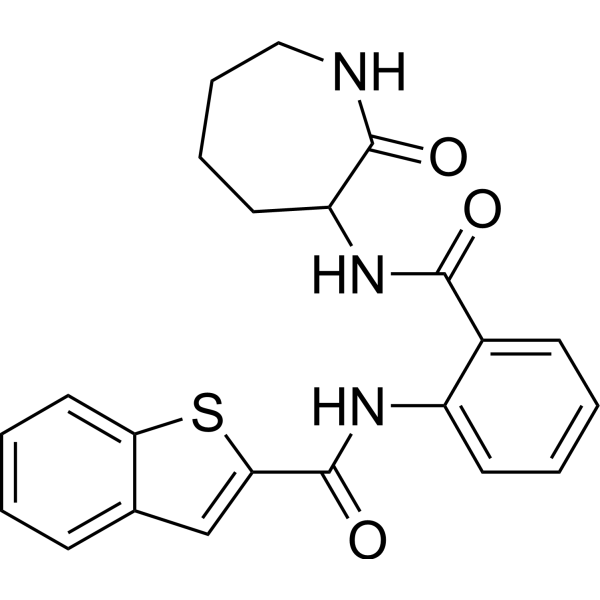 0 ImagesANA-12 is a brain-penetrant, selective TrkB antagonist with IC50 values of 45.6 nM and 41.1 μM, and Kd values of 10 nM and 12 μM, for high- and low-affinity sites, respectively. ANA-12 specifically inhibits BDNF-induced TrkB receptor activation and its downstream signaling cascades by directly and non-competitively binding to the TrkB receptor, without affecting the functions of TrkA and TrkC. ANA-12 is used in research concerning neuropsychiatric disorders (such as depression and anxiety), acute and chronic pain, neuroimmune inflammation, and the mechanisms of learning and memory.
-
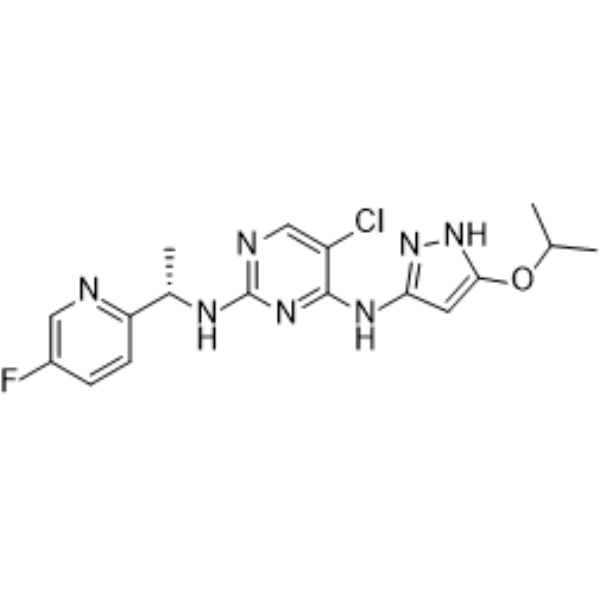
Larotrectinib
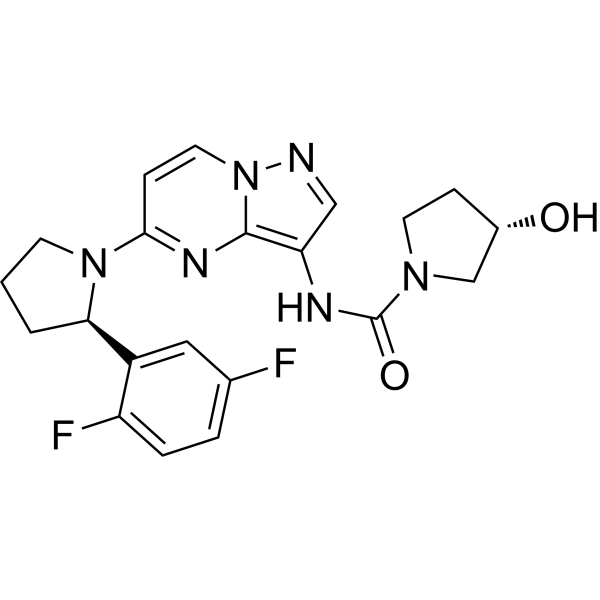 0 ImagesSynonyms: LOXO-101; ARRY-470
-
COG1410
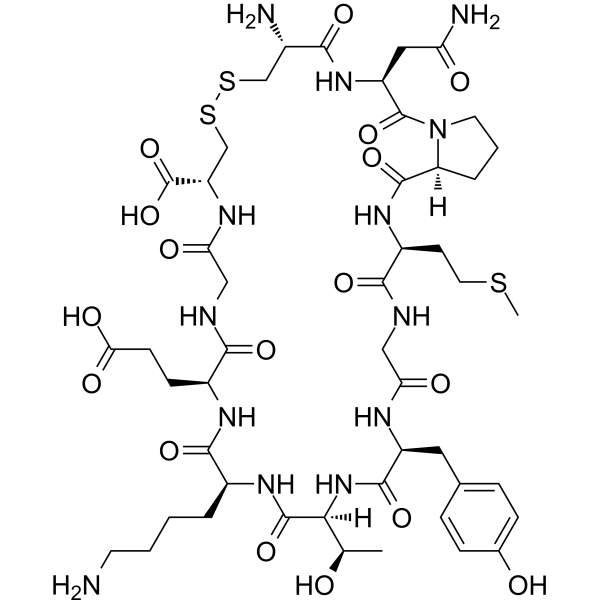
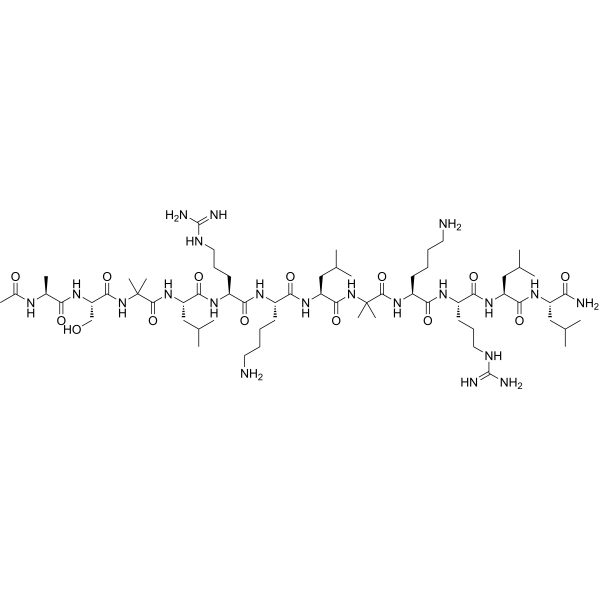 0 ImagesCOG1410 is a blood-brain barrier-penetrating ApoE mimetic peptide and neuroprotective agent. COG1410 reduces JNK phosphorylation, MMP-9 expression and gelatinase activity, COX-2 expression, inflammatory cytokine and nitric oxide production, and Apoptosis, while enhancing BDNF/TrkB signaling. COG1410 reduces Amyloid β plaque deposition. COG1410 is used in research on traumatic brain injury, stroke, traumatic optic neuropathy, vestibular migraine, Acinetobacter baumannii infection, and Alzheimer's disease.
-
Amitriptyline hydrochloride
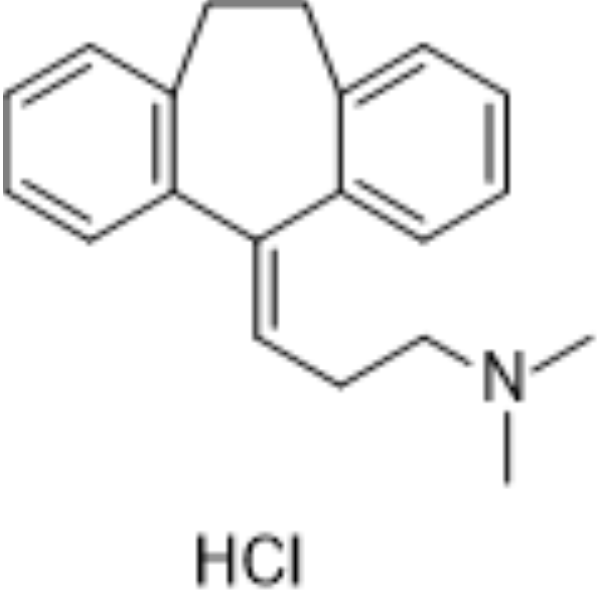 0 ImagesAmitriptyline hydrochloride is an orally active tricyclic antidepressant (TCA). Amitriptyline hydrochloride mainly exerts its antidepressant effect by blocking SERT (Ki = 3.45 nM) and NET (Ki = 13.3 nM), thereby increasing the concentrations of 5-hydroxytryptamine (5-HT) and norepinephrine (NE) in the synaptic cleft. Amitriptyline hydrochloride is also an agonist at α2A and TrkA/TrkB receptors, thereby exerting analgesic and neurotrophic activities (inhibiting cell apoptosis). Amitriptyline hydrochloride can reduce inflammation, angiogenesis and fibrosis. Amitriptyline hydrochloride binds to DAT (with Ki = 2.58 μM). Amitriptyline hydrochloride has high affinity for a series of receptors and can antagonize muscarinic cholinergic receptors (M1/M2/M3/M4/M5 receptors) (Ki = 11-24 nM), H1 receptors (Ki = 0.5-1.1 nM), adrenergic α1 receptors (Ki = 4.4 nM), etc., resulting in a series of side effects. Amitriptyline hydrochloride can block sodium channels and hERG potassium channel (IC50 = 4.78 μM) and it has cardiotoxicity.
-
Amitriptyline hydrochloride (Standard)
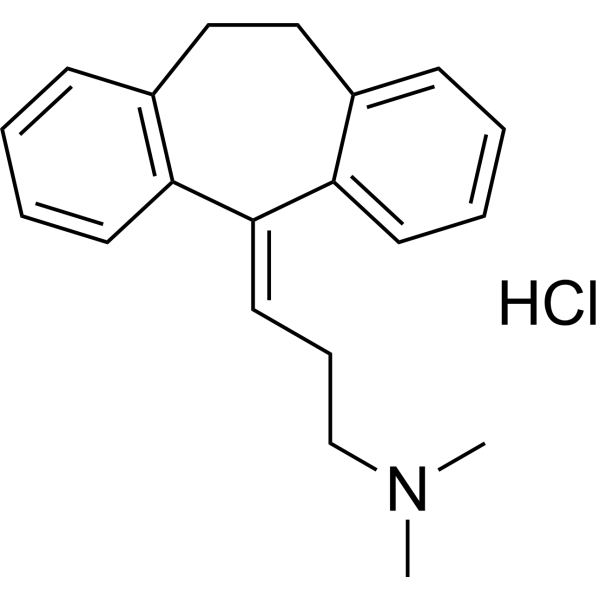 0 ImagesAmitriptyline hydrochloride (Standard) is the analytical standard of Amitriptyline hydrochloride (HY-B0527A). This product is intended for research and analytical applications. Amitriptyline hydrochloride is an orally active tricyclic antidepressant (TCA). Amitriptyline hydrochloride mainly exerts its antidepressant effect by blocking SERT (Ki = 3.45 nM) and NET (Ki = 13.3 nM), thereby increasing the concentrations of 5-hydroxytryptamine (5-HT) and norepinephrine (NE) in the synaptic cleft. Amitriptyline hydrochloride is also an agonist at α2A and TrkA/TrkB receptors, thereby exerting analgesic and neurotrophic activities (inhibiting cell apoptosis). Amitriptyline hydrochloride can reduce inflammation, angiogenesis and fibrosis. Amitriptyline hydrochloride binds to DAT (with Ki = 2.58 μM). Amitriptyline hydrochloride has high affinity for a series of receptors and can antagonize muscarinic cholinergic receptors (M1/M2/M3/M4/M5 receptors) (Ki = 11-24 nM), H1 receptors (Ki = 0.5-1.1 nM), adrenergic α1 receptors (Ki = 4.4 nM), etc., resulting in a series of side effects. Amitriptyline hydrochloride can block sodium channels and hERG potassium channel (IC50 = 4.78 μM) and it has cardiotoxicity.
-
Amitriptyline
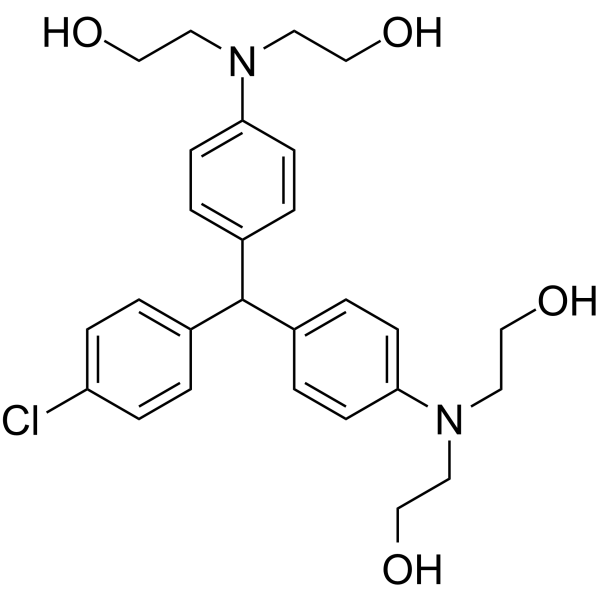
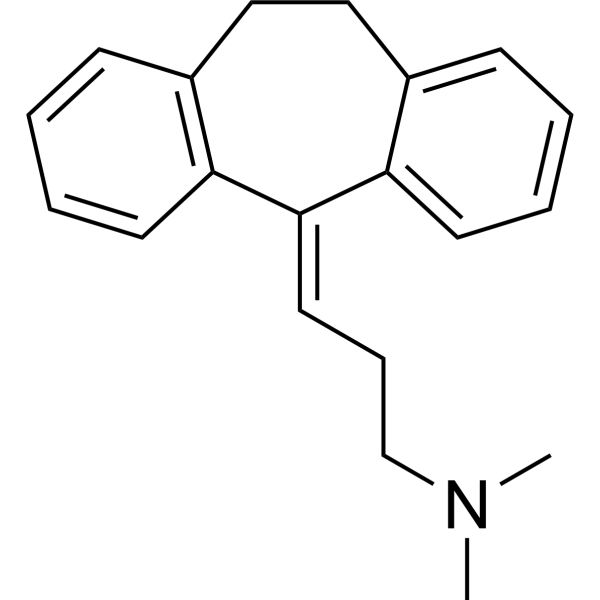 0 ImagesAmitriptyline is an orally active tricyclic antidepressant (TCA). Amitriptyline mainly exerts its antidepressant effect by blocking SERT (Ki = 3.45 nM) and NET (Ki = 13.3 nM), thereby increasing the concentrations of 5-hydroxytryptamine (5-HT) and norepinephrine (NE) in the synaptic cleft. Amitriptyline is also an agonist at α2A and TrkA/TrkB receptors, thereby exerting analgesic and neurotrophic activities (inhibiting cell apoptosis). Amitriptyline can reduce inflammation, angiogenesis and fibrosis. Amitriptyline binds to DAT (with Ki = 2.58 μM). Amitriptyline has high affinity for a series of receptors and can antagonize muscarinic cholinergic receptors (M1/M2/M3/M4/M5 receptors) (Ki = 11-24 nM), H1 receptors (Ki = 0.5-1.1 nM), adrenergic α1 receptors (Ki = 4.4 nM), etc., resulting in a series of side effects. Amitriptyline can block sodium channels and hERG potassium channel (IC50 = 4.78 μM) and it has cardiotoxicity.
-
Sitravatinib
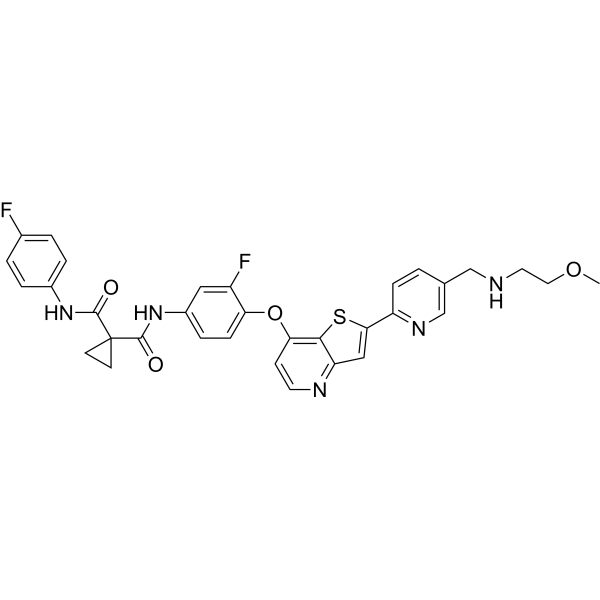 0 ImagesSynonyms: MGCD516; MG-516Sitravatinib (MGCD516) is an orally bioavailable receptor tyrosine kinase (RTK) inhibitor with IC50s of 1.5 nM, 2 nM, 2 nM, 5 nM, 6 nM, 6 nM, 8 nM, 0.5 nM, 29 nM, 5 nM, and 9 nM for Axl, MER, VEGFR3, VEGFR2, VEGFR1, KIT, FLT3, DDR2, DDR1, TRKA, TRKB, respectively. Sitravatinib shows potent single-agent antitumor efficacy and enhances the activity of PD-1 blockade through promoting an antitumor immune microenvironment.
-
GNF-5837
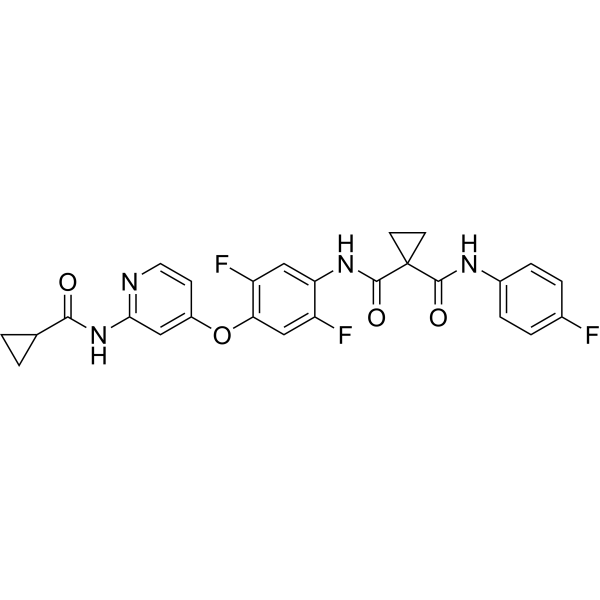
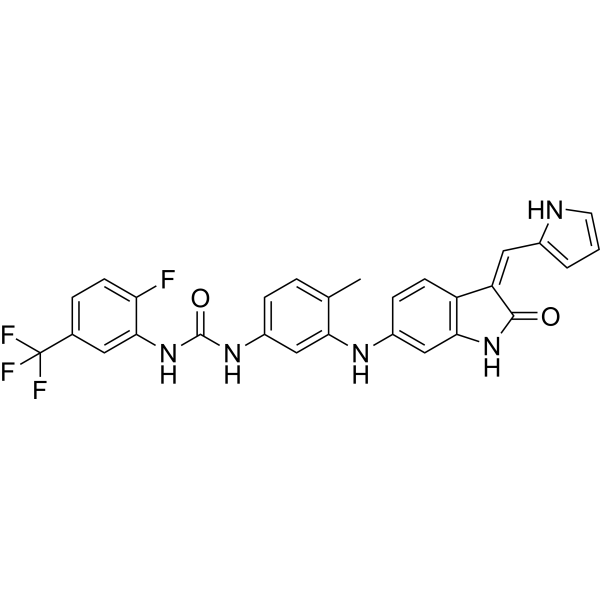 0 ImagesGNF-5837 is a potent, selective, and orally bioavailable pan-tropomyosin receptor kinase (TRK) inhibitor which display antiproliferative effects in cellular Ba/F3 assays ( IC50 values of 7 nM, 9 nM and 11 nM for cells containing the fusion proteins Tel-TrkC, Tel-TrkB and Tel-TrkA, respectively) .
-
Larotrectinib sulfate
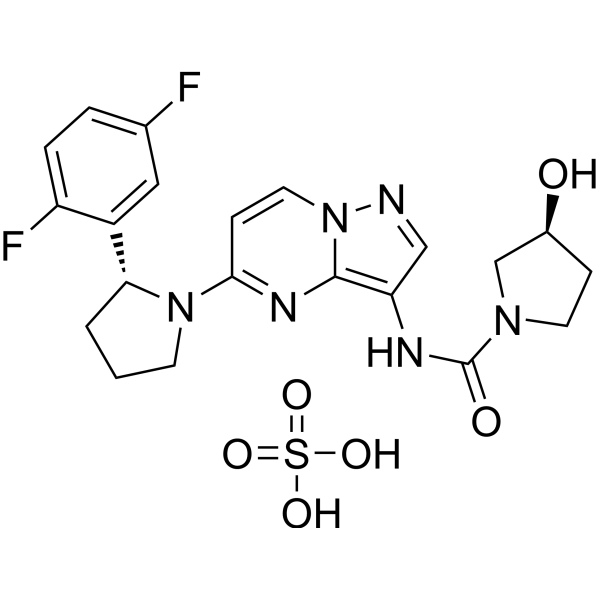 0 ImagesSynonyms: LOXO-101 sulfate; ARRY-470 sulfate
-
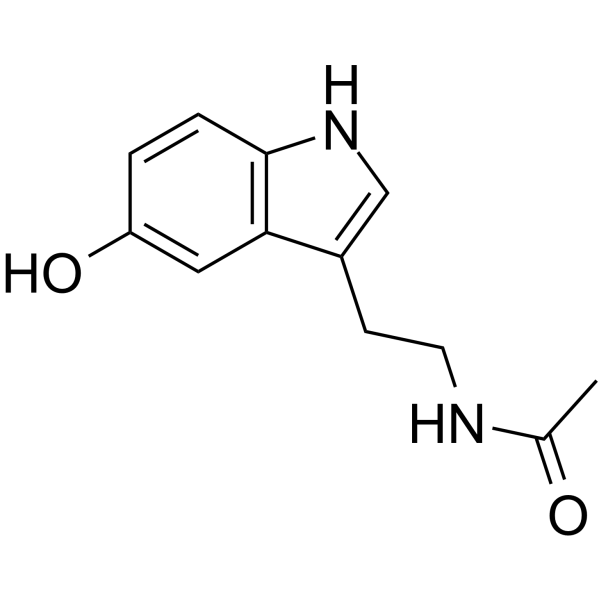
HIOC
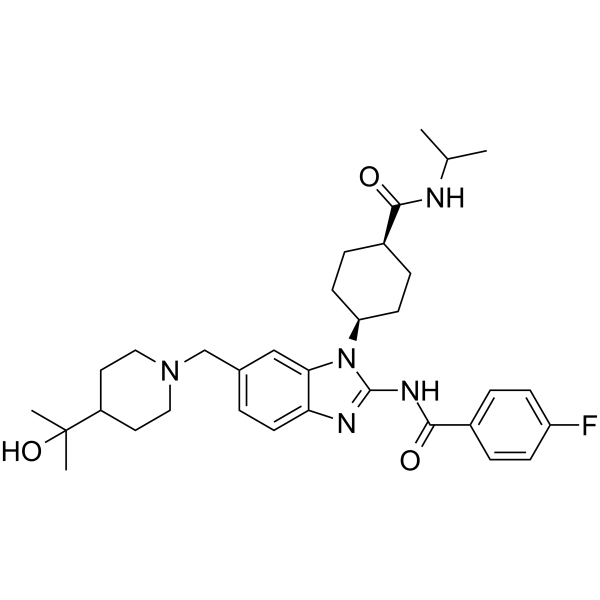
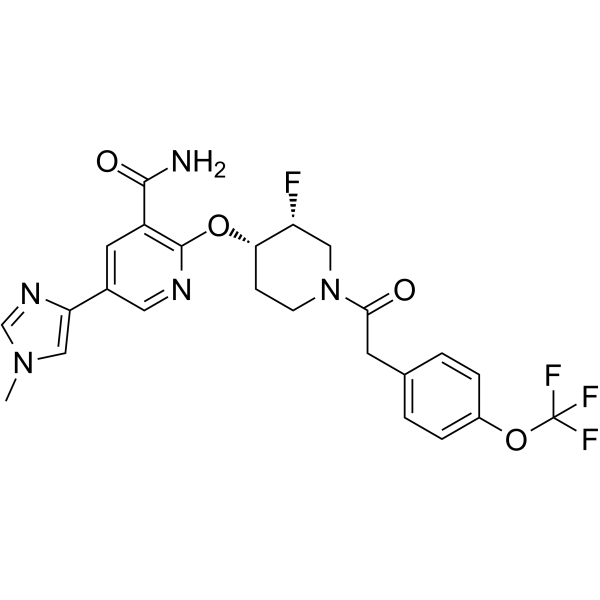
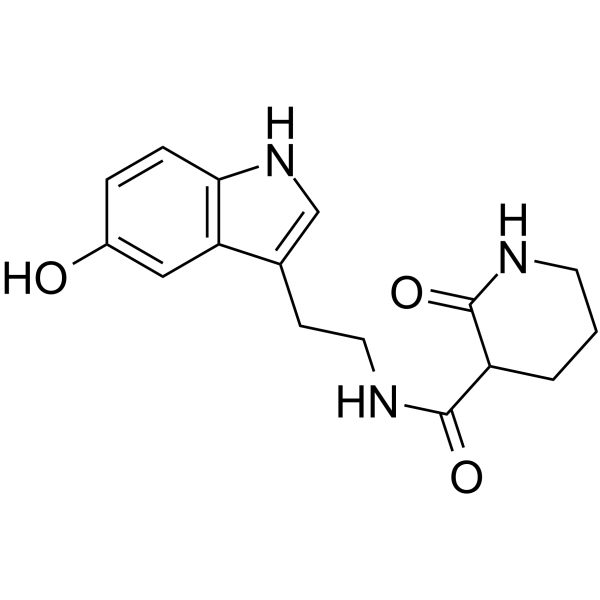 0 ImagesHIOC is a potent and selective activator of TrkB (tropomyosin related kinase B) receptor. HIOC can pass the blood-brain and blood-retinal barriers.HIOC activates TrkB/ERK pathway and decreases neuronal cell apoptosis. HIOC attenuates early brain injury after SAH (subarachnoid hemorrhage). HIOC shows protective activity in an animal model for light-induced retinal degeneration.
-
PF-06273340
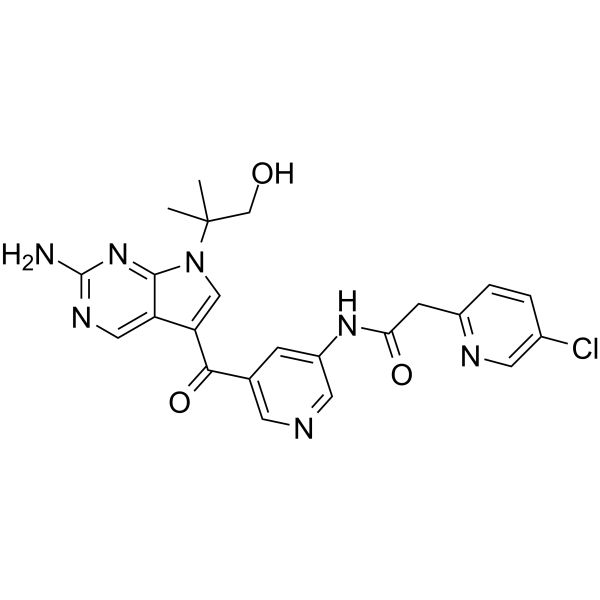 0 ImagesPF-06273340 is a peripherally restricted pan-Trk inhibitor with IC50 values of 6, 4, 3 nM for TrkA, TrkB, and TrkC receptors. PF-06273340 binds in a DFG-out conformation, targeting less conserved kinase ligand binding domain regions outside the ATP binding pocket. PF-06273340 exhibits anti-hyperalgesic and analgesic effects. PF-06273340 can be used for the research of pain.
-
Cannflavin B
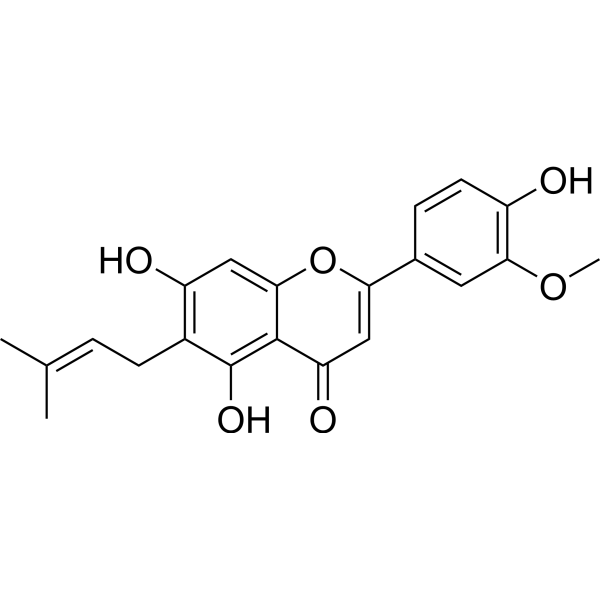 0 ImagesSynonyms: CanniflavoneCannflavin B is a flavonoid compound that can be isolated from Cannabis sativa L. Cannflavin B is inhibitors of PGE2 release (IC50: 0.7 μM), mPGES-1 (IC50: 3.7 μM), and 5-lipoxygenase. Cannflavin B has multiple activities such as anti-inflammatory, antioxidant, anti-glycation, anti-ferroptosis, anti-tumor, and anti-Leishmania (IC50: 14 μM). Cannflavin B can also inhibit the TrkB-BDNF signaling pathway.




